

Clad and bimetal plates have gained widespread application in industries such as oil and gas, petrochemicals, automotive, and medical equipment due to their unique combination of mechanical strength, corrosion resistance, and cost efficiency. In recent years, the global market for these products has been shaped by advancements in manufacturing technologies, growing demand for high-performance materials, and global economic shifts. This article explores the global market status, key trends, challenges, and investment opportunities in this sector.
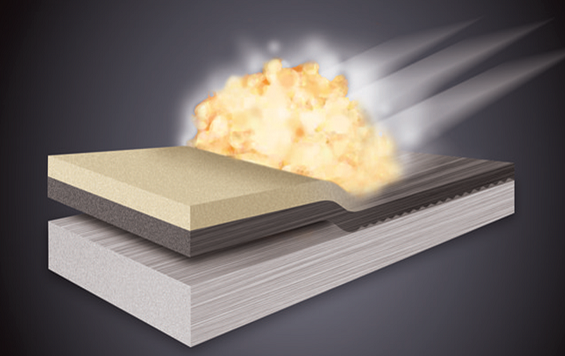
The global market for clad and bimetal plates is experiencing steady growth, particularly in sectors like energy, aerospace, and industrial infrastructure. Recent reports indicate a compound annual growth rate (CAGR) of around 5% to 7%, driven primarily by industrial development and increasing demand for corrosion-resistant and high-temperature materials.
Key Drivers of Market Growth:
Expansion in energy and petrochemical sectors: Need for corrosion-resistant materials in pipelines and heavy equipment
Increased investment in aerospace and defense: Use of lightweight, high-durability materials
Advances in welding and fabrication technologies: Better product quality and lower production costs
Tighter environmental regulations: Push toward more sustainable and durable materials
✅ Development of new hybrid materials: Manufacturers are exploring advanced combinations like titanium–carbon steel and copper–aluminum to enhance performance.
✅ Growth in Asia-Pacific production: China, India, and South Korea are dominating global output and expanding rapidly.
✅ Rise in demand for customized products: Industries seek specialized plates for unique applications in medical, automotive, and marine engineering.
✅ Adoption of advanced manufacturing technologies: Innovations like explosive welding and cold rolling improve efficiency and reduce costs.
❌ Raw material price volatility: Fluctuations in prices of base metals like stainless steel, aluminum, and titanium directly affect production costs.
❌ Intensified global competition: A surge in regional manufacturers, especially in Asia, has created fierce market dynamics.
❌ Stringent environmental regulations: Producers must comply with eco-standards and reduce emissions during fabrication processes.
❌ Technological gaps in some countries: High-end production requires advanced machinery and know-how, which remain limited in certain regions.
Emerging industries: Growing applications in EV batteries, medical tools, and marine equipment offer new market avenues.
Domestic production initiatives: Countries aim to reduce reliance on imports by boosting local manufacturing capacity.
Global tech partnerships: Collaborations between tech firms and metal producers help lower costs and enhance production efficiency.
The global clad and bimetal plate market is on a promising growth trajectory, presenting valuable investment and technological opportunities. With rising demand in energy, automotive, and industrial sectors, manufacturers must optimize production processes, manage material costs, and maintain high product standards. At the same time, challenges such as raw material volatility and regulatory constraints must be strategically addressed.
With continued advancements in welding and metal-forming technologies, the future of this industry appears bright and full of potential. 🚀
We're here for you
Explore our resources